The Bike Shorts Length That Actually Stops Inner-Thigh Chafing
Quick Answer: Chafing most often occurs at the exact point where a bike short’s inseam ends and bare skin begins — for thicker thighs, a shorter inseam places that friction point higher up where thigh-to-thigh contact is greatest, while a longer inseam (7-9 inch) that extends past the widest point of the thigh reduces or eliminates that specific contact zone entirely.
Most chafing advice focuses on fabric and anti-chafe balms, which help, but the length of the short relative to where your thighs actually touch is usually the bigger lever that gets overlooked.
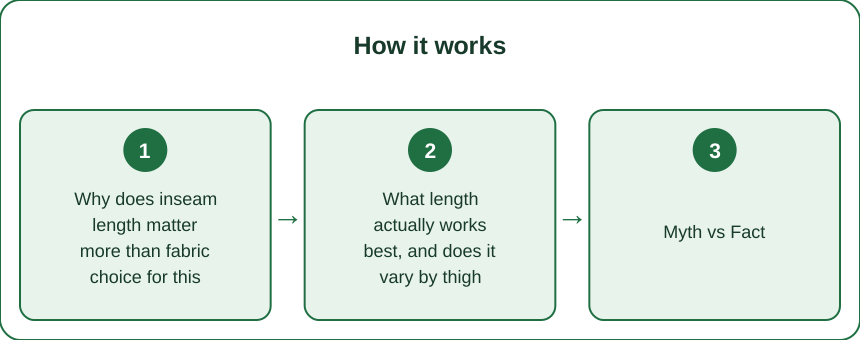
Why does inseam length matter more than fabric choice for this specific issue?
Chafing happens specifically at the boundary between covered and bare skin, where repetitive skin-on-skin friction occurs during movement — a short inseam that ends above the widest point of the thigh places that friction boundary directly in the highest-contact zone, regardless of how moisture-wicking or smooth the fabric itself is. A longer inseam simply moves that boundary past the point of greatest contact, to an area where the thighs no longer touch as directly during movement.
This is why switching to a ‘better’ fabric sometimes doesn’t fully solve chafing — the length, not just the material, is often the primary variable.
What length actually works best, and does it vary by thigh proportion?
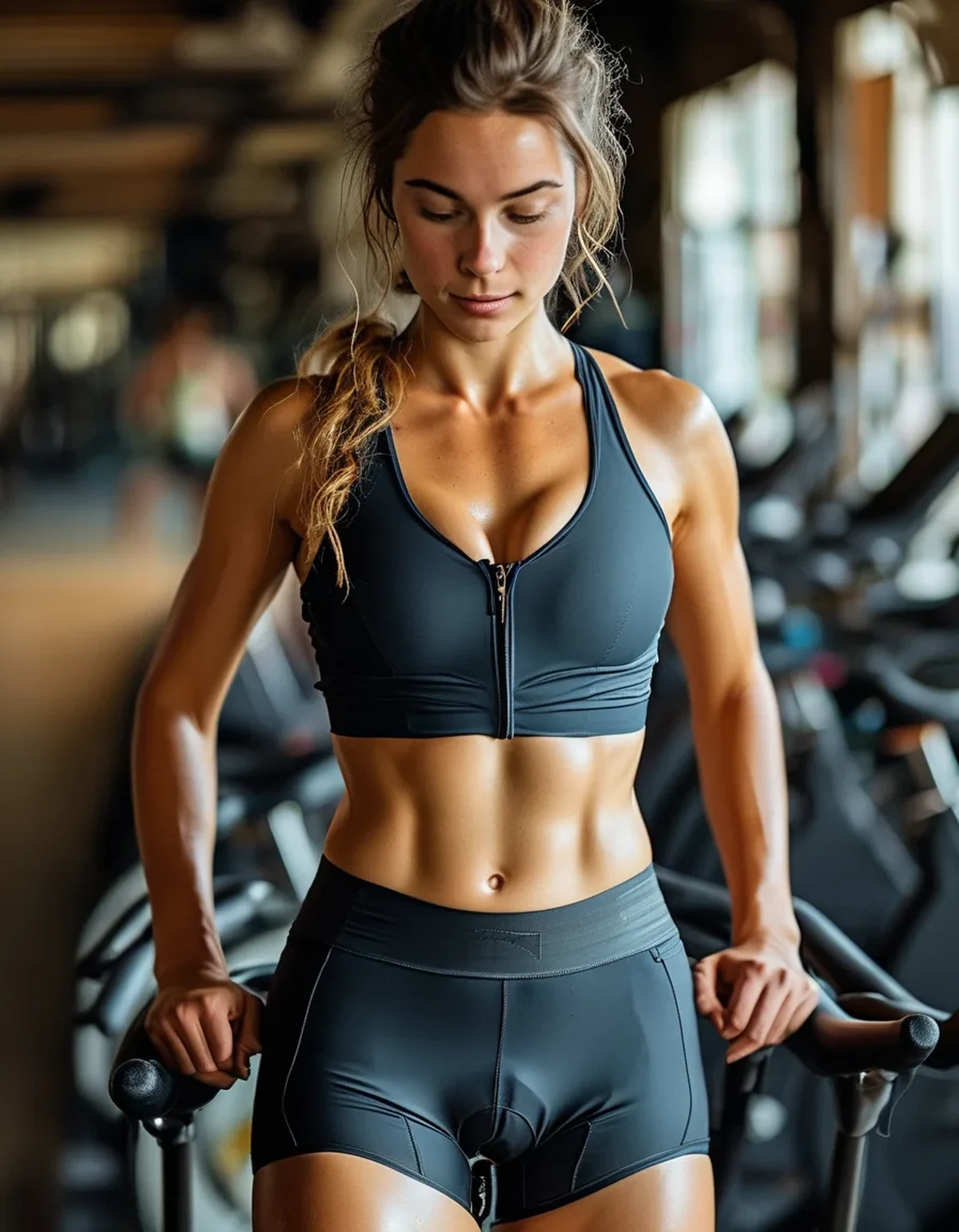
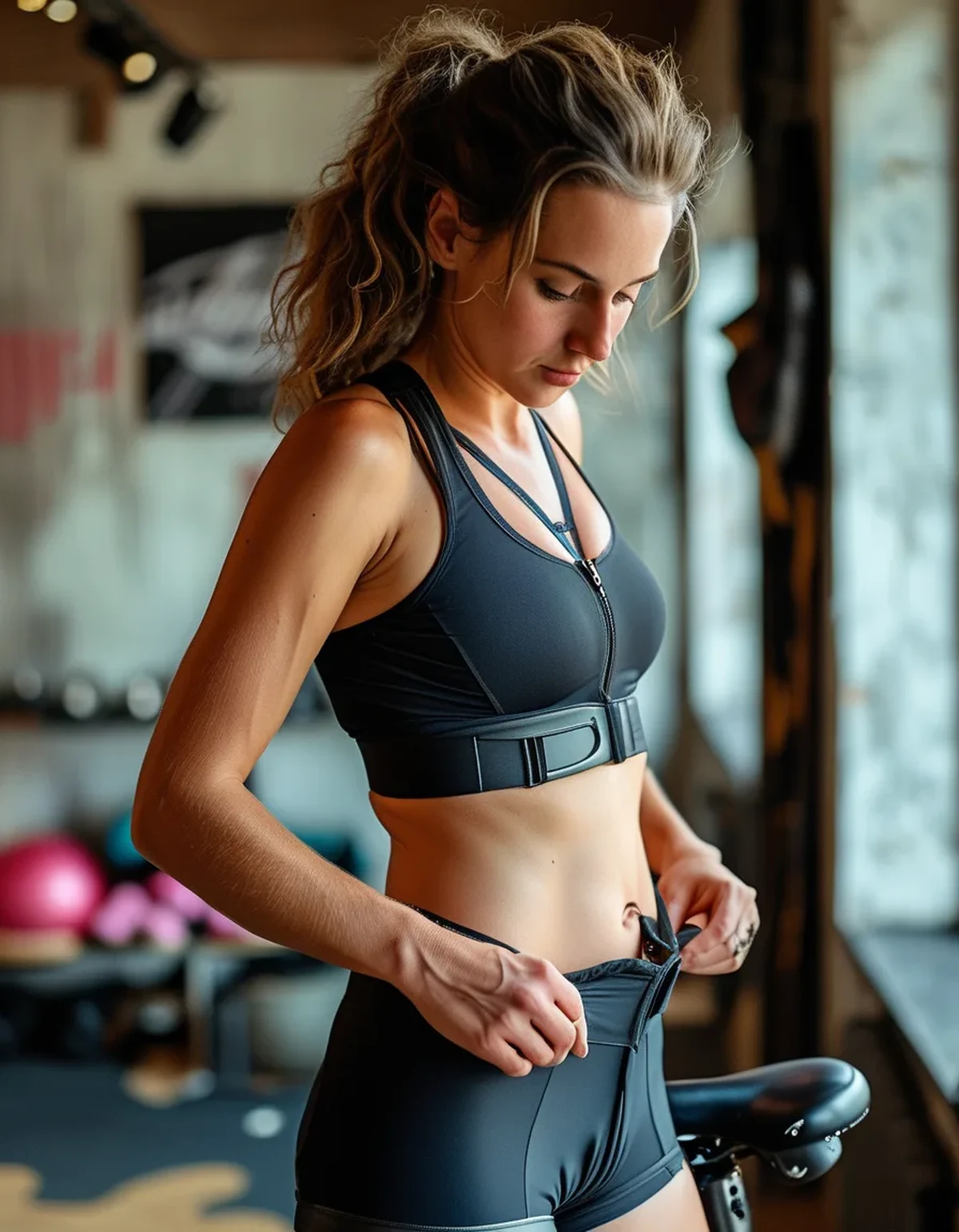
A 7-9 inch inseam generally extends past the widest point of the thigh for most body types, though the exact ideal length does vary somewhat based on individual thigh length and where the widest point specifically falls. Trying on shorts and checking where the hem sits relative to where your thighs visibly touch while standing normally is a more reliable test than relying on a size chart’s general length description alone.
Some brands now offer the same short in multiple inseam lengths specifically to address this variation, which is worth seeking out over a single fixed-length option.
Myth vs Fact: Bike Shorts and Thigh Chafing
Myth: A tighter compression fit alone prevents chafing regardless of length. Fact: Compression reduces some friction but doesn’t eliminate it if the fabric boundary still lands at the highest-contact point on the thigh.
Myth: Anti-chafe balm is a complete solution on its own. Fact: Balm helps significantly but wears off during longer or sweatier sessions — length and fit address the root cause more durably.
Myth: Longer bike shorts always look bulkier or less flattering. Fact: A well-fitted longer inseam in the right size typically looks sleeker, not bulkier, since it eliminates the bunching that can occur at a poorly placed shorter hem.
What else, beyond length, helps address this fully?
Seamless or flat-seam construction at the inner thigh area reduces additional friction points beyond the hem boundary itself, which matters even with a well-chosen length. Applying anti-chafe balm at the new hem line, now positioned past the highest-contact zone rather than directly in it, provides a meaningfully more effective backup layer than balm applied under a poorly placed shorter hem.
Combining the right length with these secondary fixes, rather than relying on any single solution alone, tends to produce the most reliable results.
FAQ: Bike Shorts and Thigh Chafing Questions, Answered
Does a bike short brand’s general size chart usually specify actual inseam length?
Many do include inseam length by size, though it’s worth confirming since some brands only list overall garment length rather than the specific inseam measurement.
Are compression leggings a reasonable alternative to bike shorts for this issue?
Full-length leggings sidestep the chafing boundary issue entirely by covering well past the thigh, though they’re not always practical for warm-weather workouts.
How long does anti-chafe balm typically last during a workout?
Most balms hold up for 60-90 minutes of moderate activity before needing reapplication, though heavy sweating can shorten that window meaningfully.
TL;DR:
- Chafing occurs at the exact boundary where fabric ends and bare skin begins, not just from friction generally
- A shorter inseam places that boundary at the highest-contact zone; 7-9 inches usually clears it
- Trying shorts on and checking hem placement against where thighs visibly touch is more reliable than a size chart alone
- Combining the right length with seamless construction and balm at the new hem gives the most reliable result
If chafing persists despite trying different fabrics, checking inseam length against your actual thigh proportions is the next step worth taking.
See It in Motion
Seen here: High Waist Embossed Yoga Leggings with Side Pockets — shop it on bubblelime.com
Keep Reading
This article is for general informational and styling purposes only. Fit, sizing, and product availability may vary.
